Arts & Culture
International Black Theatre Festival Returns to Winston-Salem July 27, Expecting 65,000 Visitors
By Staff · July 18, 2026
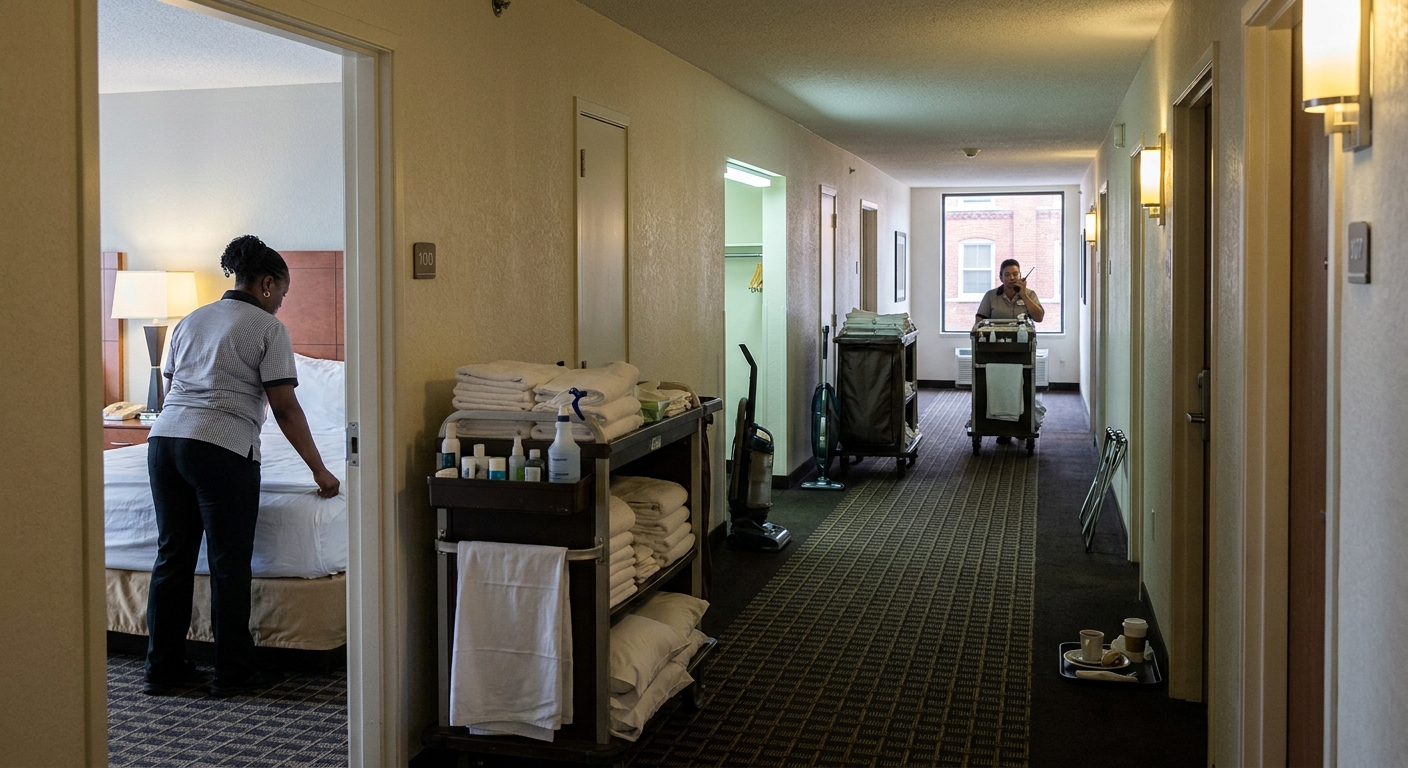
On July 27, Winston-Salem's downtown will begin a six-day test of what a cultural boom means for the people who staff it. The International Black Theatre Festival returns from July 27 to August 1, 2026, bringing more than 100 performances to downtown venues and approximately 65,000 expected attendees—along with a surge in demand for hotel rooms, meals, transportation, and the labor that makes the city's welcome possible.
Hosted by the North Carolina Black Repertory Company, the state's first professional Black theater company, the festival is recognized as the world's largest Black theatre celebration. The festival was formerly known as the National Black Theatre Festival and was rebranded as the International Black Theatre Festival in 2023. Winston-Salem is known as Black Theatre Holy Ground.
The North Carolina Black Repertory Company projects the 2026 festival will bring in over $10 million in economic impact. The 2024 festival generated $14.3 million, and since its 1989 inception, the festival has contributed more than $200 million to the Winston-Salem economy. The Downtown Winston-Salem Partnership identifies the festival as a key event it supports under its strategy to drive downtown economic growth and cultural vitality.
But the festival model relies on over 1,000 local volunteers for ambassador and hospitality roles rather than paid staff for core operations, leaving questions about whether hotel and restaurant workers see meaningful earnings from the surge. General Winston-Salem hospitality wages range from $13 to $23 per hour, with servers earning $15 to $22 per hour and housekeepers earning $17.50 per hour.
The official host hotels for the 2026 festival are the Marriott and Embassy Suites, both located in downtown Winston-Salem. Black-owned restaurants in downtown Winston-Salem include Meta's Restaurant, the city's first Black-owned restaurant at 102 West Third Street; Downtown Bodega at 140 West Sixth Street; and Miss Ora's Kitchen at 605 Trade Street. Sweet Potatoes restaurant, a landmark Black-owned establishment at 607 North Trade Street, closed permanently on February 1, 2025, after 22 years of operation, citing lingering pandemic effects and financial strain—a signal that even established Black-owned businesses have struggled to translate periodic festival surges into year-round viability.
Tickets for mainstage productions range from $45 to $60 per show, collegiate productions are $30, and gala tickets are $275.
Downtown Winston-Salem currently provides approximately 6,800 parking spaces, including 6,000 off-street and 800 on-street. The Clark Campbell Transportation Center at 100 West Fifth Street serves as the central hub for Winston-Salem Transit Authority bus operations and PART commuter buses, and will absorb significant demand during a week when core festival operations depend on volunteers rather than expanded paid staffing.
The 2026 festival prominently features Winston-Salem native Jimmie JJ Jeter, a star of Hamilton, and includes the world premiere of the documentary Holy Ground: The Legacy of the National Black Theatre Festival and the play Blooming in Dry Season. The festival brings in seven early-career and student artists from around the world for the Mabel P. Robinson Emerging Artist Award.
The North Carolina Black Repertory Company maintains a small core staff of year-round employees, with positions including Producing Artistic Director Jackie Alexander, Managing Director Brittany Giles-Jones, and Technical Director Arthur Reese. The company produces four mainstage productions annually, a Teen Theatre Ensemble, and staged readings, which may create seasonal or contract-based employment for actors, technicians, and crew. The company's official job page currently states that there are no open opportunities, advising visitors to check back for updates—suggesting the international festival's creative workforce largely arrives from outside the local market.
The biennial festival's six-day footprint produces temporary seasonal roles rather than permanent positions. Whether the festival's long-term contribution to Winston-Salem's identity as Black Theatre Holy Ground translates into economic resilience for local workers and small operators year-round—not just cultural prestige every two years—remains an open question.